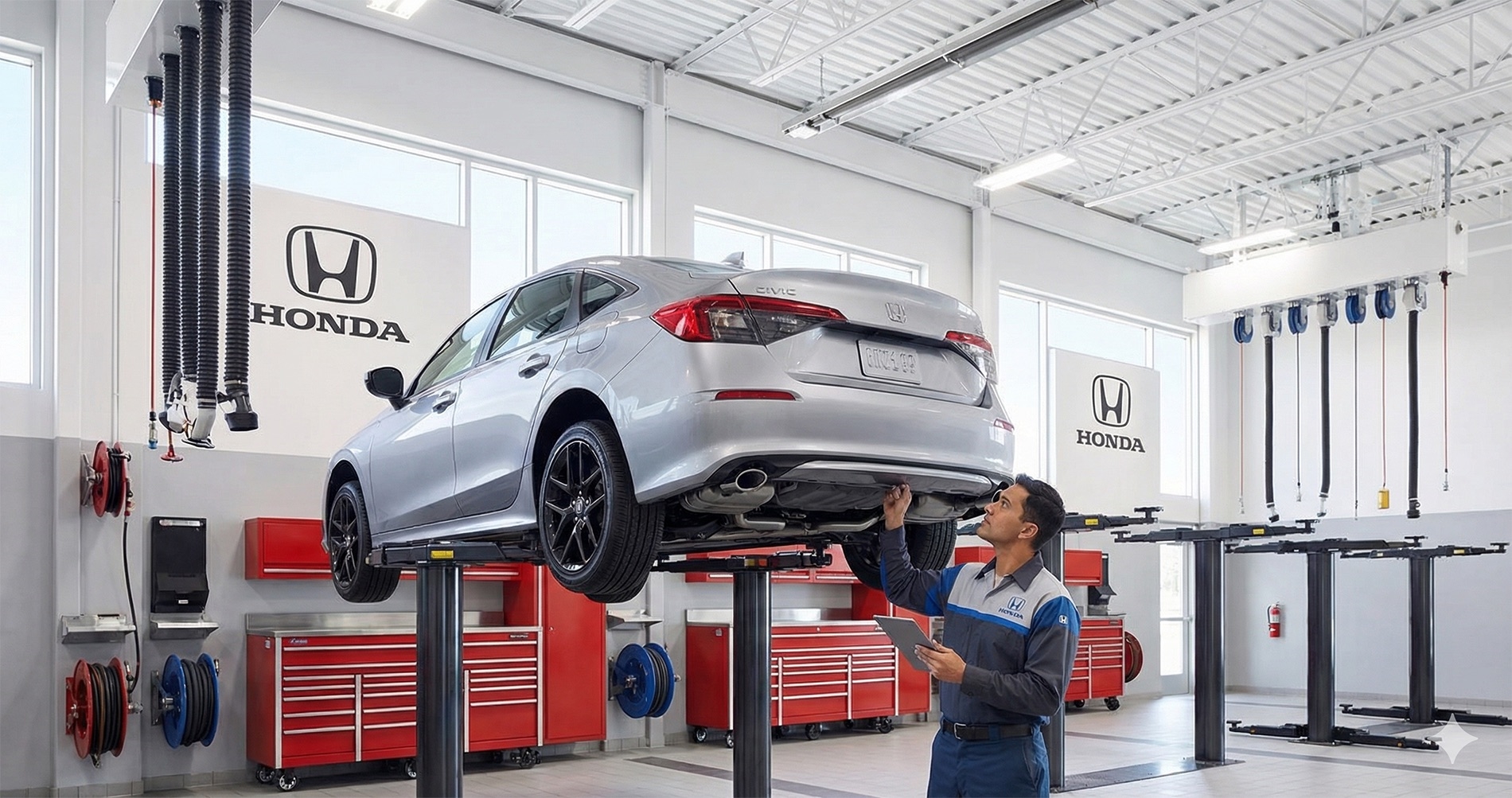
Understanding your Honda Civic maintenance schedule doesn’t have to feel complicated. Whether you’re trying to stay ahead of routine service or figure out what those dashboard alerts mean, having a clear breakdown makes a big difference. At Middletown Honda, this guide is designed to simplify everything—from mileage-based service intervals to Honda Civic maintenance codes and what they actually mean in real-world driving.
In the sections below, you’ll find detailed maintenance schedules for both standard Civic and Civic Hybrid models, a full breakdown of service intervals by mileage, and a clear explanation of how maintenance codes like A1, B1, B12, and B13 work. We’ll also cover how these systems work together, so you’re not just following a schedule—you’re understanding it.
Whether you’re commuting through Middletown or heading out toward Newburgh for a weekend event, staying on top of your Honda Civic service schedule helps keep your vehicle running smoothly, efficiently, and predictably over time.
Quick Answers About Honda Civic Maintenance
- How often does a Honda Civic need maintenance? Most routine services, like oil changes and tire rotations, occur every 7,500 miles, but your Maintenance Minder system will adjust based on driving conditions.
- What do Honda Civic maintenance codes mean? Codes like A1, B1, B12, and B13 tell you exactly what service is needed, ranging from basic oil changes to more comprehensive inspections and fluid replacements.
- Do Honda Civic Hybrid models require different maintenance? Yes, hybrid models include additional services like battery inspections and regenerative braking checks, but they follow a similar overall schedule.
- Can I rely on the Maintenance Minder instead of mileage? Yes, the system is designed to provide real-time service reminders based on how your Civic is actually driven.
Honda Civic Maintenance Schedule: Codes, Intervals, & Services
Clear & Simple
Honda Civic Maintenance Services Overview ▼
Note: Services highlighted in Blue are Hybrid Only services.
All other rows apply to both Honda Civic & Honda Civic Hybrid models.
| Maintenance Services Overview |
| Service Type |
Mileage Interval |
Notes |
| Oil & Filter Change |
Every 7,500 Miles |
May Vary Based on Driving Conditions; Follow A1/B1 Codes |
| Tire Rotation |
Every 7,500 Miles |
Rotate Tires to Maximize Tread Life & Even Wear |
| Brake Inspection |
Every 15,000 Miles |
Check Pads, Rotors, & Fluid; Replace Fluid Every 3 Years |
| Cabin Air Filter Replacement |
Every 15,000 Miles |
Replace Sooner in Dusty or High-Pollution Areas |
| Hybrid High-Voltage Battery System Inspection |
Every 15,000 Miles |
Check Battery Health, Charge Capacity, & Electrical Connections |
| Hybrid Regenerative Braking System Check |
Every 15,000 Miles |
Ensure Proper Operation; Inspect Brake Pads & Rotors |
| Engine Air Filter Replacement |
Every 30,000 Miles |
Ensures Proper Airflow & Fuel Efficiency |
| Hybrid Battery Cooling System Service |
Every 30,000 Miles |
Inspect & Replace Coolant Specific to Hybrid Battery Loop |
| Hybrid Powertrain Component Inspection |
Every 30,000 Miles |
Check Electric Motor, Generator, & Inverter for Wear or Software Updates |
| Transmission Fluid Replacement |
Every 45,000 Miles |
Critical for Smooth Shifting & Long Transmission Life |
| Drive Belt Inspection |
Every 45,000 Miles |
Replace if Worn or Cracked; Essential for Accessory Systems |
| Spark Plug Replacement |
Every 60,000 Miles |
Maintains Fuel Efficiency & Engine Performance |
| Engine Coolant Replacement |
Every 100,000 Miles |
Protects Against Overheating & Corrosion |
| Hybrid System Coolant Replacement |
Every 100,000 Miles |
Critical for Hybrid Battery & Power Electronics Cooling |
| Brake Fluid Replacement |
Every 3 Years (Regardless of Mileage) |
Prevents Moisture Buildup & Maintains Braking Power |
| Hybrid Control Module Software Updates |
As Needed |
Performed During Scheduled Service Visits to Ensure Efficiency |
The table lays out the Honda Civic maintenance schedule in a way that’s easy to translate into real ownership expectations. The biggest takeaway is how predictable routine service is. Core items like oil changes and tire rotations repeat every 7,500 miles, which means most drivers can plan maintenance around seasonal driving patterns rather than guessing when service is due.
As mileage increases, the schedule shifts from basic upkeep to longer-term protection. Around 30,000 to 60,000 miles, items like air filters, spark plugs, and transmission fluid start to matter more. These aren’t just checkboxes—they directly impact fuel efficiency, performance, and how smoothly your Civic drives over time.
For hybrid models, the added blue-highlighted services show where things differ. Battery inspections, cooling system service, and regenerative braking checks are built into the schedule to maintain efficiency and reliability. In everyday driving between Middletown and Newburgh—especially with frequent runs along I-84—this means hybrid owners don’t necessarily have more maintenance, just different types focused on electrical systems instead of traditional engine wear.
Overall, the Honda Civic service schedule emphasizes consistency. Staying on track helps avoid larger repairs later, keeps performance stable, and makes ownership more predictable no matter how you use your Civic day to day.
Honda Civic Maintenance Schedule by Mileage ▼
| Maintenance Schedule by Mileage |
| Civic Mileage Interval |
Service Items |
Notes |
| 7,500 Miles |
Oil & Filter Change, Tire Rotation |
First Scheduled Service; Check Fluid Levels |
| 15,000 Miles |
Oil & Filter Change, Tire Rotation, Replace Cabin Air Filter, Inspect Brakes |
Replace Cabin Filter Sooner if Driving in Dusty Conditions |
| 22,500 Miles |
Oil & Filter Change, Tire Rotation |
Routine Recurring Service |
| 30,000 Miles |
Oil & Filter Change, Tire Rotation, Replace Engine Air Filter, Inspect Suspension |
Check Tie Rod Ends, Steering Gearbox, Boots |
| 37,500 Miles |
Oil & Filter Change, Tire Rotation |
Routine Recurring Service |
| 45,000 Miles |
Oil & Filter Change, Tire Rotation, Replace Transmission Fluid, Inspect Drive Belt |
Required Sooner if Driving in Mountainous Terrain |
| 52,500 Miles |
Oil & Filter Change, Tire Rotation |
Routine Recurring Service |
| 60,000 Miles |
Oil & Filter Change, Tire Rotation, Replace Spark Plugs, Replace Brake Fluid |
Brake Fluid Replacement Every 3 Years Regardless of Mileage |
| 67,500 Miles |
Oil & Filter Change, Tire Rotation |
Routine Recurring Service |
| 75,000 Miles |
Oil & Filter Change, Tire Rotation, Replace Cabin Air Filter, Inspect Brakes |
Replace Cabin Filter Sooner if Driving in Dusty Conditions |
| 82,500 Miles |
Oil & Filter Change, Tire Rotation |
Routine Recurring Service |
| 90,000 Miles |
Oil & Filter Change, Tire Rotation, Replace Transmission Fluid, Inspect Drive Belt |
Transmission Fluid Replacement Interval Repeats |
| 97,500 Miles |
Oil & Filter Change, Tire Rotation |
Routine Recurring Service |
| 100,000 Miles |
Oil & Filter Change, Tire Rotation, Replace Engine Coolant, Inspect Exhaust & Fuel Lines |
Critical Long-Term Maintenance for Civic Longevity |
| 105,000 Miles |
Oil & Filter Change, Tire Rotation |
Routine Recurring Service |
| 112,500 Miles |
Oil & Filter Change, Tire Rotation |
Routine Recurring Service |
| 120,000 Miles |
Oil & Filter Change, Tire Rotation, Replace Spark Plugs, Replace Brake Fluid |
Brake Fluid Replacement Every 3 Years Regardless of Mileage |
The Honda Civic maintenance schedule is designed to feel manageable instead of overwhelming. Rather than stacking everything at once, it spreads service out in a way that fits naturally into how people actually drive. Early intervals focus on the essentials—oil changes and tire rotations every 7,500 miles—so staying on track often becomes part of your normal routine instead of something you have to think twice about.
As the miles add up, the schedule begins to shift toward protecting long-term performance. Around the 30,000-mile mark, items like air filters and suspension checks start to matter more, helping maintain ride quality and efficiency. By 60,000 miles, services like spark plug and brake fluid replacement step in to keep acceleration smooth and stopping power consistent, especially during everyday driving.
When you get into higher mileage territory, the focus becomes prevention. Services like transmission fluid replacement and coolant changes are less about immediate performance and more about avoiding larger repairs down the road. That consistency becomes especially important in everyday situations. Whether you’re heading from Middletown over to Warwick for a weekend at Warwick Valley Winery or loading up for a fall festival trip, having your maintenance up to date means you’re not second-guessing your car on the way there.
What stands out most is the consistency. The Honda Civic service schedule builds a rhythm over time, making it easier to stay ahead of wear instead of reacting to problems later. That steady approach is what keeps ownership simple and predictable year after year.
Honda Civic Hybrid Maintenance Schedule by Mileage ▼
| Hybrid Maintenance Schedule by Mileage |
| Civic Hybrid Mileage Interval |
Service Items |
Notes |
| 7,500 Miles |
Oil & Filter Change, Tire Rotation |
First Scheduled Service; Check Fluid Levels |
| 15,000 Miles |
Oil & Filter Change, Tire Rotation, Replace Cabin Air Filter, Inspect Brakes, High-Voltage Battery System Inspection, Regenerative Braking System Check |
Replace Cabin Filter Sooner if Driving in Dusty Conditions; Check Battery Health, Cooling Fans, & Electrical Connections |
| 22,500 Miles |
Oil & Filter Change, Tire Rotation |
Routine Recurring Service |
| 30,000 Miles |
Oil & Filter Change, Tire Rotation, Replace Engine Air Filter, Inspect Suspension, Battery Cooling System Service, Hybrid Powertrain Component Inspection |
Check Tie Rod Ends, Steering Gearbox, Boots; Inspect Inverter, Electric Motor, & Hybrid Coolant Loop |
| 37,500 Miles |
Oil & Filter Change, Tire Rotation |
Routine Recurring Service |
| 45,000 Miles |
Oil & Filter Change, Tire Rotation, Replace Transmission Fluid (e-CVT), Inspect Drive Belt |
Hybrid Models Require Specialized CVT Fluid; Required Sooner if Driving in Mountainous Terrain |
| 52,500 Miles |
Oil & Filter Change, Tire Rotation |
Routine Recurring Service |
| 60,000 Miles |
Oil & Filter Change, Tire Rotation, Replace Spark Plugs, Replace Brake Fluid, Regenerative Braking System Inspection |
Brake Fluid Replacement Every 3 Years Regardless of Mileage; Ensure Proper Operation of Regenerative Braking System |
| 67,500 Miles |
Oil & Filter Change, Tire Rotation |
Routine Recurring Service |
| 75,000 Miles |
Oil & Filter Change, Tire Rotation, Replace Cabin Air Filter, Inspect Brakes |
Replace Cabin Filter Sooner if Driving in Dusty Conditions |
| 82,500 Miles |
Oil & Filter Change, Tire Rotation |
Routine Recurring Service |
| 90,000 Miles |
Oil & Filter Change, Tire Rotation, Replace Transmission Fluid (e-CVT), Inspect Drive Belt |
Transmission Fluid Replacement Interval Repeats |
| 97,500 Miles |
Oil & Filter Change, Tire Rotation |
Routine Recurring Service |
| 100,000 Miles |
Oil & Filter Change, Tire Rotation, Replace Engine Coolant, Inspect Exhaust & Fuel Lines, Hybrid System Coolant Replacement |
Critical Long-Term Maintenance for Civic Longevity; Hybrid Coolant Protects Battery & Power Electronics |
| 105,000 Miles |
Oil & Filter Change, Tire Rotation |
Routine Recurring Service |
| 112,500 Miles |
Oil & Filter Change, Tire Rotation |
Routine Recurring Service |
| 120,000 Miles |
Oil & Filter Change, Tire Rotation, Replace Spark Plugs, Replace Brake Fluid |
Brake Fluid Replacement Every 3 Years Regardless of Mileage |
| As Needed |
Hybrid Control Module Software Updates |
Performed During Scheduled Service Visits to Ensure Efficiency |
The Honda Civic maintenance schedule takes on a slightly different role when you look at hybrid models. While the early intervals still mirror the standard Civic with oil changes and tire rotations, the key difference shows up quickly with additional system checks tied to the hybrid components. At just 15,000 miles, inspections for the high-voltage battery and regenerative braking system are already part of the routine, reflecting how important those systems are to everyday performance.
As mileage builds, the hybrid schedule adds another layer of care focused on efficiency. Around 30,000 miles, services like battery cooling system maintenance and hybrid powertrain inspections come into play. These aren’t things drivers necessarily feel day to day, but they directly impact how smoothly the vehicle transitions between gas and electric power, especially during stop-and-go driving.
Higher mileage intervals continue that same pattern. Transmission fluid service for the e-CVT system and hybrid-specific coolant replacement are designed to keep everything operating at peak efficiency well past 100,000 miles. For drivers heading from Middletown to Monroe for a weekend at Museum Village or similar local events, that consistency means the hybrid system stays smooth and predictable without added stress.
Overall, the Honda Civic service schedule for hybrid models doesn’t add complexity—it just shifts the focus. Instead of more maintenance, it’s more targeted maintenance, keeping both the gas engine and electric components working together the way they were designed to.
Honda Civic Maintenance Codes ▼
| Maintenance Codes |
| Code |
Description |
Service Items |
| A1 |
Oil Change + Tire Rotation |
Replace Engine Oil & Filter, Rotate Tires |
| B1 |
Comprehensive Inspection + Oil Change |
Replace Engine Oil & Filter, Inspect Brakes, Suspension, Fluids |
| B12 |
Oil Change + Air & Cabin Filters |
Replace Engine Oil & Filter, Engine Air Filter, Cabin Air Filter |
| B13 |
Oil Change + Transmission Service |
Replace Engine Oil & Filter, Transmission Fluid |
| B |
Major Service |
Replace Engine Oil & Filter, Inspect/Replace: Brakes, Suspension, Exhaust, Fluids |
| Sub-Codes (1-7) |
Additional Services |
1: Tire Rotation
2: Replace Air Cleaner
3: Replace Transmission Fluid
4: Replace Spark Plugs
5: Replace Coolant
6: Replace Rear Differential Fluid
7: Replace Brake Fluid |
| Honda Civic Hybrid Specific Codes |
| H1 |
Civic Hybrid Battery System Inspection |
Check High-Voltage Battery Health, Cooling Fans, & Electrical Connections |
| H2 |
Civic Hybrid Battery Cooling System Service |
Inspect & Replace Coolant Specific to Hybrid Battery Cooling Loop |
| H3 |
Civic Hybrid Regenerative Braking System Check |
Inspect Brake Components & Confirm Proper Regenerative Braking Operation |
| H4 |
Civic Hybrid Powertrain Component Inspection |
Check Inverter, Electric Motor, & Hybrid Control Modules; Apply Software Updates |
How to Read Honda Civic Maintenance Codes
At Middletown Honda, we see a lot of drivers unsure about what their Honda Civic maintenance codes actually mean when they appear. The system is built to remove guesswork. Instead of sorting through a long service schedule, your Civic gives you a simple code that directly points to what needs attention. Something like A1 keeps things straightforward with an oil change and tire rotation, while B-level codes step things up with inspections that look at key systems across the vehicle.
As those codes expand, they start to tell a more detailed story. Combinations like B12 or B13 indicate that additional services are due, such as filter replacements or transmission fluid service. The single B code itself signals a broader check of critical components, helping ensure everything from braking performance to engine operation stays in line.
The numbered sub-codes refine things even further. Each number corresponds to a specific service item, whether it’s spark plugs, coolant, or brake fluid. For hybrid models, separate H-series codes highlight services unique to the electrified system, including battery inspections and regenerative braking checks. The result is a system that translates complex maintenance needs into something quick and easy to understand at a glance.
How Honda Civic Maintenance Codes Work With Mileage-Based Service Intervals
The Honda Civic service schedule is built around mileage intervals, but the maintenance codes are what make it feel practical in everyday driving. While the mileage gives you a general timeline, the Maintenance Minder adjusts based on how the vehicle is actually used. That means you’re getting service reminders that reflect real conditions, not just a fixed number on the odometer.
When a code appears, it’s tying your current driving habits back to that larger schedule. Whether it’s a basic service like A1 or a more involved code like B12, the system is essentially translating the long-term maintenance plan into a clear next step. This helps prevent both over-servicing and waiting too long between visits.
For drivers around Middletown and Newburgh, that flexibility matters in real life. Whether your Civic is handling short daily trips or heading out for something like a weekend at the Orange County Fairgrounds, the system adapts to how the vehicle is actually being driven. The mileage intervals provide the structure, while the codes deliver timely reminders, making it easier to stay consistent without having to track everything manually.
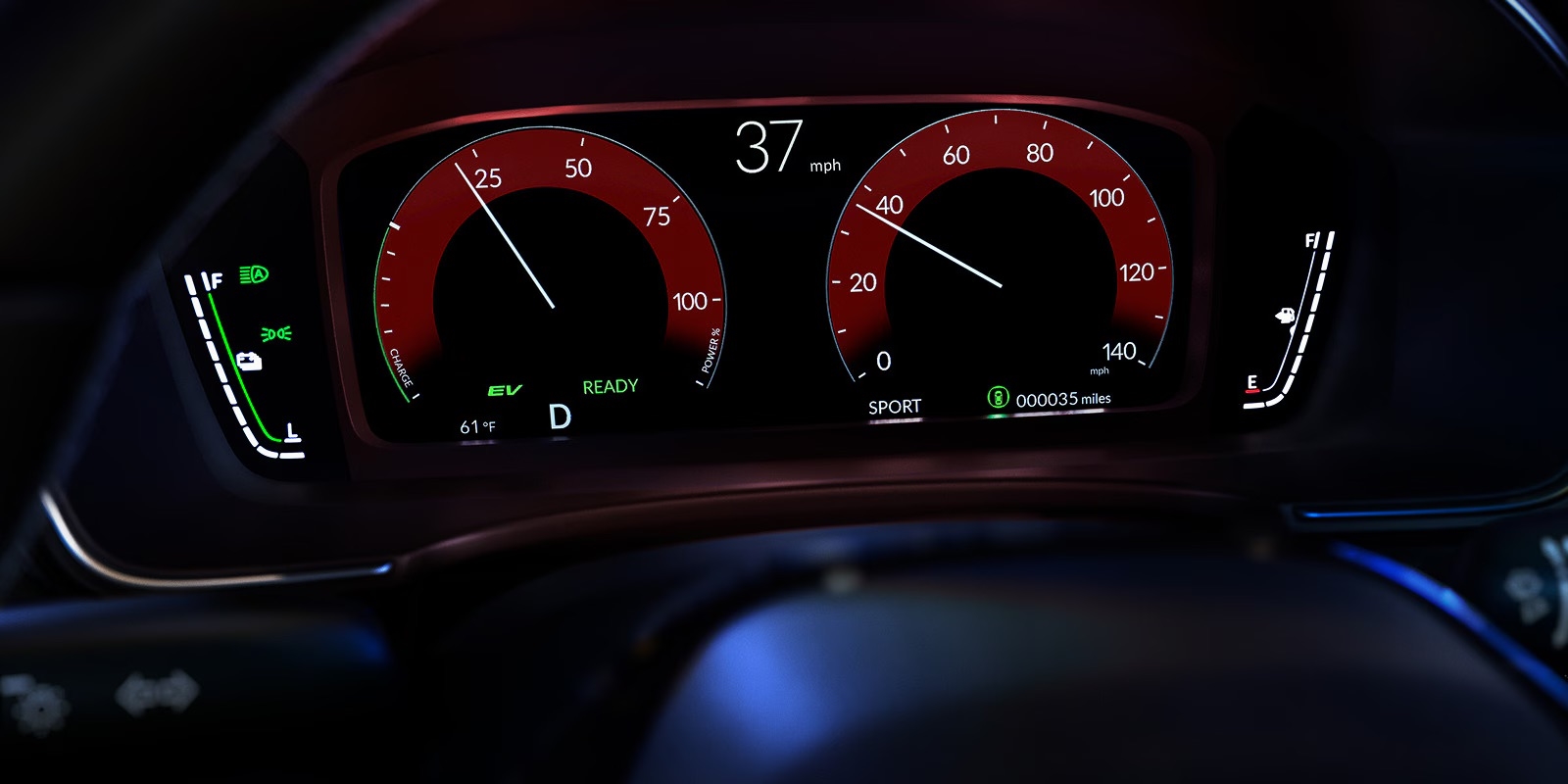
Stay on Track With Your Honda Civic Maintenance
Keeping up with your Honda Civic maintenance schedule is one of the simplest ways to protect your vehicle long term. What stands out most is how the entire system works together. The mileage-based intervals give you a clear structure, while the Maintenance Minder codes translate that structure into real-time reminders based on how your Civic is actually driven. Instead of guessing when service is due, you get clear, actionable guidance right when you need it.
That balance makes ownership more predictable. Routine services like oil changes and tire rotations stay consistent, while larger items such as transmission fluid, coolant, and spark plugs are spaced out in a way that supports long-term reliability. For hybrid models, the added focus on battery systems and regenerative braking ensures the vehicle continues to perform efficiently without adding unnecessary complexity.
For drivers in Middletown and Warwick, that consistency matters in everyday life. Whether you are handling daily errands, commuting, or heading out for something like a weekend at the Orange County Fairgrounds, knowing your vehicle is properly maintained removes a lot of uncertainty. It allows you to focus on where you are going instead of worrying about how your vehicle will get you there.
At Middletown Honda, staying on top of the Honda Civic service schedule is about making ownership easier, not more complicated. With the right understanding of maintenance codes and service intervals, keeping your Civic running smoothly becomes a straightforward part of your routine.
FAQ: Honda Civic Maintenance Schedule & Service Codes
How often does a Honda Civic need maintenance? ▼
Most routine Honda Civic maintenance begins with oil changes and tire rotations at 7,500-mile intervals, but the exact timing can vary based on driving habits and conditions. The Maintenance Minder system helps determine when service is actually due instead of relying on a one-size-fits-all reminder.
What does the Honda Civic Maintenance Minder system do? ▼
The Maintenance Minder system monitors driving conditions and alerts you when service is needed. Instead of guessing when to schedule maintenance, your Civic displays a code that identifies the service due, such as an oil change, tire rotation, inspection, or fluid replacement.
What do Honda Civic maintenance codes like A1, B1, B12, and B13 mean? ▼
These Honda Civic maintenance codes tell you which services are due. A1 generally points to an oil change and tire rotation, while B1 adds a broader inspection. B12 includes filter replacement, and B13 adds transmission fluid service. The code is meant to turn a larger maintenance schedule into a quick, readable service reminder.
Are Honda Civic maintenance codes the same as the mileage-based schedule? ▼
Not exactly. The mileage-based Honda Civic service schedule gives you the long-term structure, while the maintenance codes provide real-time reminders based on how the vehicle is being driven. Together, they help you stay on track without over-servicing or waiting too long between visits.
Does a Honda Civic Hybrid have a different maintenance schedule? ▼
Yes. A Honda Civic Hybrid follows a similar overall structure, but it also includes hybrid-specific services such as battery system inspections, regenerative braking checks, cooling system service, and hybrid powertrain monitoring. These services are designed to keep the gas and electric systems working together properly over time.
How often should brake fluid be replaced on a Honda Civic? ▼
Brake fluid is typically replaced every three years regardless of mileage. This matters because brake fluid can absorb moisture over time, which can reduce braking performance if it is left unchanged for too long.
When does transmission fluid service usually come up on a Honda Civic? ▼
Transmission fluid service commonly appears around 45,000 miles and then returns again at later intervals depending on vehicle use. This service plays a major role in long-term drivability because fresh fluid helps the transmission continue shifting smoothly.
Why is following the Honda Civic service schedule important? ▼
Keeping up with the Honda Civic service schedule helps protect reliability, efficiency, and long-term ownership costs. Routine maintenance is usually much easier and more affordable to manage than waiting until worn fluids or neglected parts create larger repair issues later.
Where can I schedule Honda Civic maintenance near Middletown? ▼
If you are looking for Honda Civic maintenance near Middletown, Middletown Honda can help with routine service, Maintenance Minder code diagnosis, and model-specific care for both Civic and Civic Hybrid models. That makes it easier for drivers from Middletown, Warwick, and Newburgh to keep their vehicles on schedule with support that matches the vehicle.
Why Choose Middletown Honda for Civic Service?
At Middletown Honda, servicing your vehicle is about more than checking off a maintenance list. Our team works specifically with Honda vehicles every day, which means we understand how the Honda Civic maintenance schedule and Maintenance Minder system are designed to function in real-world driving. That experience allows us to provide service that is accurate, efficient, and tailored to your vehicle—not guesswork.
When your Civic displays a maintenance code, we don’t just address the surface-level service. We take the time to evaluate the condition of your vehicle as a whole, making sure everything from fluids to braking components is performing the way it should. For hybrid models, that includes proper attention to battery systems, cooling components, and regenerative braking—areas that require specific knowledge and care.
For drivers in Middletown, Newburgh, and surrounding areas, convenience also matters. Whether you’re scheduling routine maintenance or stopping in after a busy week, our goal is to make the process straightforward and transparent. Clear communication, accurate recommendations, and efficient turnaround times all play a role in helping you stay on track without disrupting your routine.
Choosing Middletown Honda means choosing a team that knows your Civic, understands the service schedule, and is focused on helping you keep your vehicle running smoothly for the long haul.
DISCLAIMERS:
*Maintenance schedules and intervals are based on manufacturer recommendations and may vary depending on driving habits, road conditions, climate, and vehicle usage. Always follow your vehicle’s Maintenance Minder system for the most accurate service timing.
*Maintenance Minder codes are designed to assist with service timing but should be interpreted alongside a full vehicle inspection. Actual service needs may vary.
*Hybrid system maintenance requirements may differ from standard gasoline models. Additional inspections and services may be required depending on vehicle condition and usage.
*Service intervals and recommendations are subject to change without notice. Always consult your owner’s manual or a certified Honda technician for the most current information.
*Vehicle performance, reliability, and longevity depend on proper maintenance and timely service. Delaying recommended maintenance may result in additional wear or repair needs.