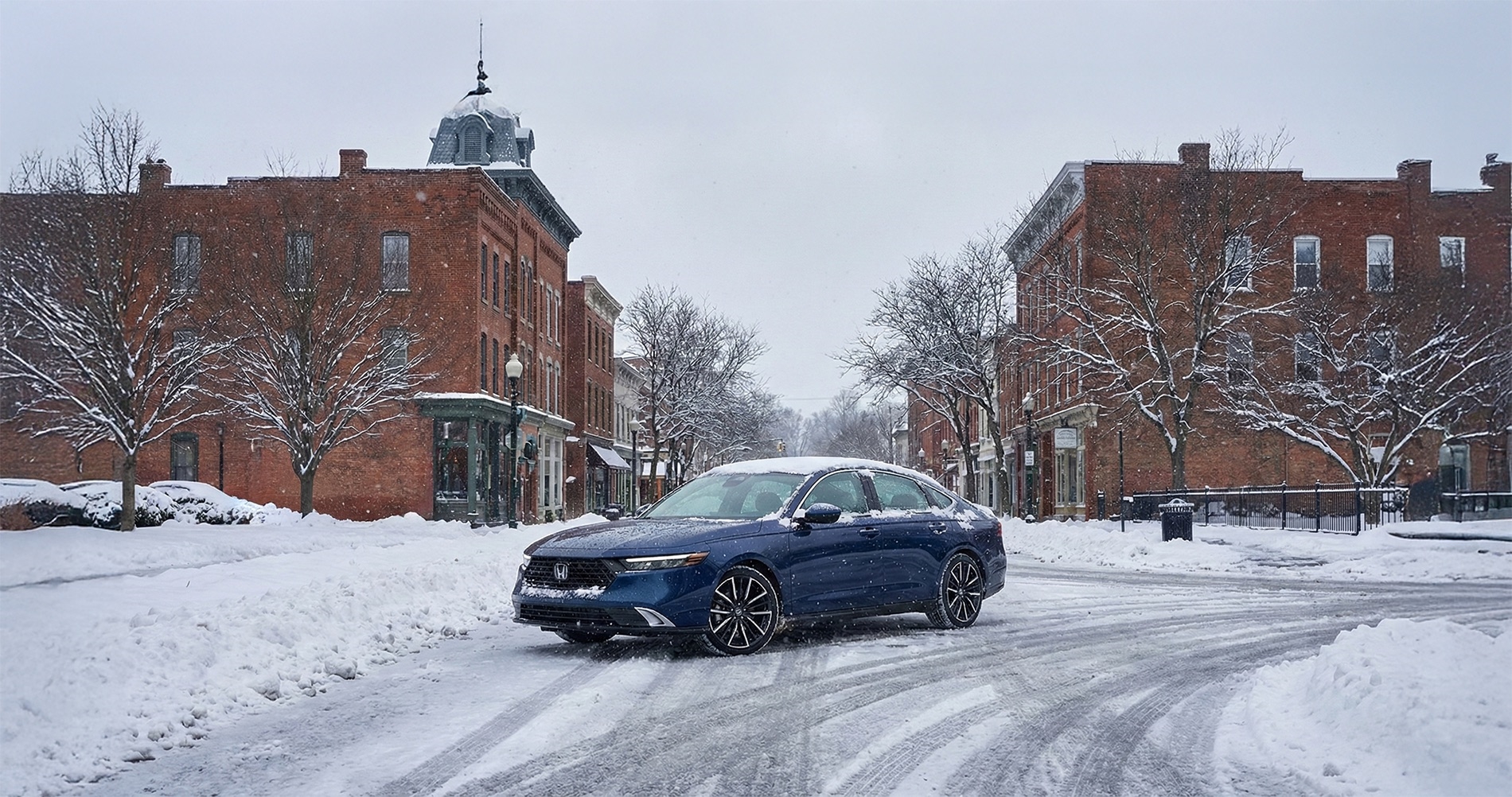
Hudson Valley Winter Car Maintenance
How to Winterize Your Car for the Hudson Valley
Winter has a special talent for turning “my car has been fine” into “why won’t it start?” Before freezing mornings, snow, slush, and road salt settle into Orange County, we recommend checking the systems cold weather exposes first: tires, battery, fluids, visibility, brakes, heat, and any maintenance your vehicle already needs.
Schedule Winter ServiceQuick Answer: How Do You Winterize a Car?
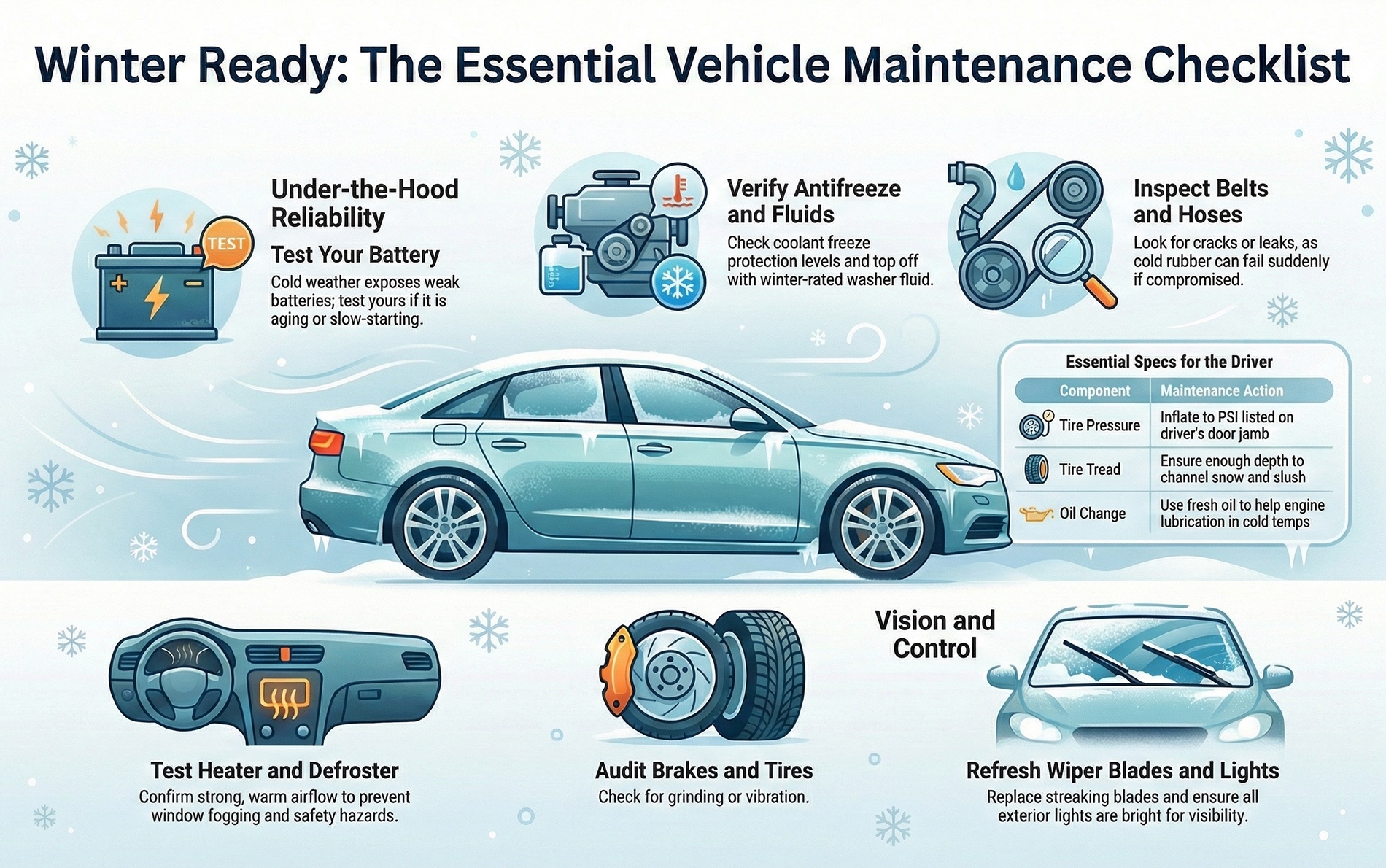
Check the tire pressure and tread, test the battery, verify coolant and winter washer fluid, inspect the wipers and lights, make sure the brakes, heater, and defrosters are working properly, bring due maintenance current, and put a winter emergency kit in the vehicle. Do it before the first serious freeze or snowstorm so you have time to fix anything that is already weak, worn, or overdue.
How Cold Weather Affects Your Car in Winter
Winter usually does not create a healthy-car problem overnight. It exposes weak points that were already there. A battery that has been getting slower, tires that are already worn, a small cooling-system problem, weak wipers, or overdue maintenance becomes much harder to ignore once freezing temperatures and winter roads enter the picture.
Cold weather also affects several systems at the same time. Tire pressure drops as temperatures fall. Batteries lose available power while a cold engine needs more power to start. Fluids need to remain appropriate for freezing conditions. Snow, ice, darkness, and salty road spray demand more from your wipers, washer fluid, lights, heater, and defrosters.
At the same time, snow and slush reduce the traction available for accelerating, turning, and stopping. That makes tire condition and existing brake problems more important than they were on a dry September road.
That is why we treat winterization as a preseason check rather than a list of products to buy. The goal is simple: make sure your car can start, stop, see, stay stable, and keep you comfortable when Hudson Valley weather turns.
Before the First Freeze
12-Point Winterize Car Checklist
Use this as your preseason overview. You do not need to replace everything on the list. You need to identify what is already weak, worn, overdue, or unprepared for colder weather.
| Winterization Task | What to Check | What to Do |
|---|---|---|
| Test the Battery | Slow starts, uncertain battery condition, charging concerns | Have the battery and charging system tested before deep cold arrives. |
| Check Tire Pressure | Cold inflation pressure in all four tires and the spare where applicable | Use the pressure specified by the vehicle manufacturer. |
| Inspect Tire Tread & Damage | Tread wear, cuts, cracking, bulges, punctures, abnormal wear | Have damaged, worn, or unevenly wearing tires inspected before snow arrives. |
| Check Coolant | Correct level, correct fluid, leaks, overdue service | Follow the specifications and maintenance guidance for your exact vehicle. |
| Fill Winter Washer Fluid | Reservoir level and cold-weather fluid | Fill with quality winter-rated washer fluid before snow and road spray increase usage. |
| Inspect Wiper Blades | Streaking, skipping, chatter, cracking, poor glass contact | Replace blades that no longer clear the windshield cleanly. |
| Check Exterior Lights | Headlights, brake lights, turn signals, emergency flashers | Correct failed lighting before darker winter commutes and poor weather. |
| Inspect Brake Concerns | Grinding, squealing, vibration, warning lights, pedal changes | Have an active brake concern inspected before winter. |
| Test Heat & Defrost | Cabin heat, windshield defrost, rear defrost where equipped | Address weak airflow or poor defrosting before frost and snow affect visibility. |
| Inspect Belts, Hoses & Leaks | Visible cracking, damage, deterioration, or fluid leaks | Have questionable components inspected rather than carrying the issue into winter. |
| Complete Due Maintenance | Maintenance Minder alerts, oil service, filters, inspections, scheduled work | Bring overdue maintenance current before winter adds another variable. |
| Build a Winter Emergency Kit | Snow tools, jumper cables, light, warmth, food, water, first aid | Pack the kit before a storm or roadside delay makes you need it. |
Our recommendation: Use the checklist to find the weak link. You do not need every optional winter upgrade; you need the systems that matter to be ready for the conditions you actually drive in.
Tires & Traction
Check Tire Pressure, Tread, and Winter Traction First
Tires deserve the first deep check because they connect every steering, braking, and acceleration input to the road. Cold weather lowers tire inflation pressure, so check the tires when they are cold and use the vehicle manufacturer's specified pressure rather than the maximum pressure molded into the tire sidewall.
Then inspect the tread and sidewalls for cuts, punctures, bulges, cracking, scrapes, or unusual wear. If one tire repeatedly loses air, the vehicle pulls, the steering wheel is off-center, or you feel recurring vibration, let us inspect the cause. Rotation, balancing, alignment, pressure correction, and tire replacement solve different problems.
Everyday Winter Use
All-Season Tires
A quality all-season tire fits plenty of Hudson Valley driving when tread condition is strong and the routes you use are typically cleared and treated.
More Winter Traction
Winter Tires
Dedicated winter tires deserve a closer look when your routine includes frequent snow, hills, rural roads, early-morning driving, or less consistently cleared surfaces.
For a deeper comparison, read our Snow Tires vs. All-Season Tires guide. If your current tires need attention, visit our Honda Tire Service page.
What we recommend: Check pressure and condition before you decide whether you need a different tire. A worn all-season tire and a healthy all-season tire are not the same winter starting point.
Start & Protect
Test the Battery and Check Your Winter Fluids
Battery and Cold Starting
As temperatures fall, available battery power drops while a cold gasoline engine requires more power to start. That combination is why an aging or marginal battery often seems fine until a cold morning suddenly exposes it.
Pay attention to slow cranking, intermittent starting, dimming electrical behavior, or a battery with an uncertain history. We would rather test the battery and charging system before winter than have you guess how much life it has left.
What we recommend: If starting already feels slower than it did in warm weather, test the battery before the first hard freeze instead of waiting for a no-start.
Coolant and Antifreeze
Make sure your vehicle has enough coolant and that it meets the manufacturer's specifications. If the level is low, the system is leaking, or the coolant condition is uncertain, we can inspect the cooling system rather than guessing at the problem or mixing incompatible fluids.
Winter Windshield Washer Fluid
Fill the reservoir with quality winter-rated washer fluid with de-icer before cold weather arrives. Snow, road salt, and dirty slush can go through washer fluid much faster than ordinary warm-weather driving.
Oil and Other Due Maintenance
If your Honda is already asking for Maintenance Minder service, take care of it before winter. We follow the maintenance requirements for the vehicle instead of creating a separate seasonal oil-change interval just because the calendar says winter.
See & Stop
Make Winter Visibility and Braking a Priority
Snow, road spray, early sunsets, frost, and interior condensation attack visibility from different directions. Winter preparation means making sure the systems that keep the glass clear and the vehicle visible are already working before you need all of them at once.
Wiper Blades
Replace blades that streak, skip, chatter, crack, or leave areas of the windshield uncleared.
Heater & Defrosters
Verify cabin heat and front and rear defrosting work correctly. Defrost performance is a visibility issue, not simply a comfort feature.
Exterior Lights
Check headlights, brake lights, turn signals, and emergency flashers before darker commutes and poor-weather driving.
Do Not Carry an Existing Brake Problem Into Winter
Winter is not a reason to replace brake parts automatically. It is a reason not to ignore a brake concern you already have. Grinding, squealing, vibration, warning lights, or a noticeable change in pedal feel deserves inspection before snow and ice reduce the traction available to the vehicle.
The same principle applies to visible leaks, badly worn hoses, damaged belts, warning lights, or other known mechanical concerns. If something already looks or feels wrong, preseason maintenance is the right time to address it.
What we recommend: Treat any change in braking or visibility as its own service concern. Do not assume it is simply “because it is cold.”
Found Something That Needs Attention?
You Do Not Have to Finish the Checklist Before Booking
Tell us what you have noticed—slow starting, a tire issue, brake noise, poor defrosting, a warning light, or overdue maintenance—and we will start there.
Pre-Winter Inspection
What Does Winter Car Service Include?
Winter car service is not one fixed package that every vehicle needs. At Middletown Honda, a pre-winter inspection starts with the condition of your vehicle and the problems you are already noticing. We look at the systems most likely to affect cold-weather reliability, traction, visibility, and routine maintenance.
Tires & Alignment
Pressure, tread, damage, unusual wear, vibration, pulling, and alignment concerns.
Battery & Starting
Battery condition, charging-system performance, and symptoms such as slow or inconsistent starting.
Brakes & Visibility
Brake symptoms, wipers, lights, heat, and defroster concerns that become more important in poor weather.
Fluids & Cooling
Coolant level and condition, leaks, washer fluid, and other fluid-related concerns tied to your vehicle's maintenance needs.
Due Maintenance
Maintenance Minder items, oil service, filters, inspections, and scheduled maintenance that should not be carried into winter overdue.
Known Symptoms
Warning lights, unusual noises, leaks, vibration, weak heat, or another problem you want addressed before winter weather adds more stress.
The important part is that the visit stays tied to the vehicle in front of us. We inspect what needs inspection, explain what we find, and separate active concerns from ordinary maintenance instead of treating “winterization” as permission to replace parts automatically.
For routine work that qualifies, Honda Express Service handles items such as oil and filter service, tire rotation and balance, battery testing, filters, wiper blades, and routine inspections. Schedule a full service visit for diagnostic work, repairs, warning lights, brake concerns, cooling-system problems, or issues requiring more time.
Emergency Readiness
What to Keep in a Winter Car Emergency Kit
A winter emergency kit is not only for an extreme scenario. It covers the much more common problems: a buried windshield, a dead battery, getting stuck, waiting through a closure, or spending much longer in the car than you expected.
Clear & Move
Snow brush
Ice scraper
Small shovel
Sand or kitty litter
Work gloves
Roadside Basics
Jumper cables or jump starter
Flashlight or headlamp
Warning markers
First-aid kit
Phone charger and power bank
Warmth & Supplies
Warm blanket
Extra layers
Water
Shelf-stable snacks
Necessary medication
Before longer winter trips, keep the fuel level up, charge your phone, check the weather and traffic, and give yourself another option if road conditions deteriorate.
Winter Wear
Protect Your Car From Road Salt, Snow, and Winter Grime
Winter wear continues even when the vehicle is running perfectly. Road salt, sand, slush, dirty snow, and moisture collect on painted surfaces, wheel areas, body seams, and underneath the car throughout the season.
Wash the vehicle regularly when conditions allow, especially after periods when local roads have been heavily treated. Give the underbody attention too. Removing salty buildup limits how long corrosive material remains against exposed surfaces.
Keep exterior lights and cameras clear, knock packed snow out of the wheel areas, and keep snow and water from accumulating in the cabin. If you switch to heavier winter floor mats, make sure they are the correct size and properly secured so they cannot interfere with the pedals.
Timing
When Should You Winterize Your Car in the Hudson Valley?
Winterize the vehicle before freezing temperatures and snow become routine. Do not wait for the first storm forecast. Starting early gives you time to replace worn wipers, deal with a battery that tests weak, inspect questionable tires, fix poor defrosting, or complete service that is already overdue.
Around Middletown, one week of driving can include Route 211, I-84, stop-and-go traffic, hills, rural roads, and trips toward Warwick, Monroe, Newburgh, or Port Jervis. Prepare the vehicle for the harder part of your normal routine rather than assuming every winter drive will happen on a freshly cleared main road.
After winter begins, keep checking the items that continue to change. Tire pressure moves with temperature. Washer fluid gets used quickly. Wiper blades wear. Snow and road debris can reveal a vibration or visibility problem that was not obvious in October.
Avoidable Problems
Common Winterization Mistakes
That is the worst time to discover the battery is weak or the tires are already worn.
Cold weather changes inflation pressure even when a tire does not have a leak.
Testing gives you more information than waiting for the first no-start.
Use winter-rated fluid appropriate for freezing conditions.
Clear visibility matters before nearly every other winter convenience.
A short trip can still turn into a long wait during a storm or road closure.
Know Where to Draw the Line
DIY Winter Prep vs. When to Bring Your Car to Us
You do not need a service appointment for every item on this page. Handle the simple checks yourself and bring us the work that needs testing, diagnosis, equipment, or a closer inspection.
At Home
You Can Check These Yourself
Tire pressure
Check cold pressure against the vehicle placard.
Visible tire condition
Look for obvious damage, abnormal wear, or low tread.
Washer fluid and wipers
Fill winter fluid and replace clearly worn blades.
Lights, heat, and defrost
Make sure the systems work before poor weather arrives.
Emergency supplies
Build the kit once and keep it stocked through winter.
Service Lane
Bring These to Middletown Honda
Battery testing
Especially when starts are slow or battery condition is uncertain.
Recurring tire issues
Pressure loss, pulling, vibration, alignment concerns, or unusual wear.
Braking concerns
Noise, vibration, warning lights, or changes in pedal feel.
Cooling-system or mechanical problems
Leaks, uncertain coolant condition, weak heat, warning lights, belts, or hoses.
Maintenance Minder and overdue service
Bring regular maintenance current before winter.
FAQ: How to Winterize Your Car
Use these answers to finish your winterize car checklist and decide what belongs in your driveway versus our service lane.
Get Your Car Ready Before the First Storm
Start with the condition your vehicle is in today. If the tires, battery, brakes, fluids, visibility, or Maintenance Minder need attention, we will go through the problem with you and connect it to the service the vehicle actually needs.
DISCLAIMERS:
*Winter maintenance needs vary by vehicle, model year, equipment, condition, tire type, service history, and operating environment. Always follow the owner's information and maintenance guidance for your exact vehicle.
*Winter-driving and vehicle-preparation information on this page reflects guidance reviewed in October 2026. Safety guidance and vehicle-specific recommendations are subject to change.
*A general winterize car checklist does not replace diagnosis of a warning light, braking concern, tire problem, fluid leak, starting problem, overheating condition, or other active vehicle symptom. Have safety or mechanical concerns properly inspected.
*Middletown Honda service specials, pricing, eligibility, availability, and offer terms are subject to change. Review the current service-specials page and applicable offer before authorizing work.